Audience and business behaviour
Define the member groups, hierarchy, enrollment rules, business baseline, and the repeat purchase, secondary-sales, advocacy, or field behaviour the program must influence.






















































The route remains the owner because buyers need one cross-audience management model before choosing a specialist dealer, consumer, influencer, or sales-team program. Define these decisions before comparing providers.
Define the member groups, hierarchy, enrollment rules, business baseline, and the repeat purchase, secondary-sales, advocacy, or field behaviour the program must influence.
Specify transaction or activity evidence, integrations, earning slabs, caps, exclusions, approvals, exception queues, fraud controls, and reconciliation ownership.
Agree reward types, liability and expiry rules, fulfillment, member communication, multilingual support, complaints, reversals, and the service levels members can expect.
Name the operating owners, budget controls, KPI definitions, review cadence, data exports, improvement decisions, integration support, and exit responsibilities.
Compare the operating implications for dealer and distributor programs, consumer programs, influencer programs, and sales-team programs. The provider evaluation guide adds diligence questions.
This practice covers four distinct loyalty models. Each one uses the same operational discipline but a different audience logic, reward structure, proof model, and engagement journey.

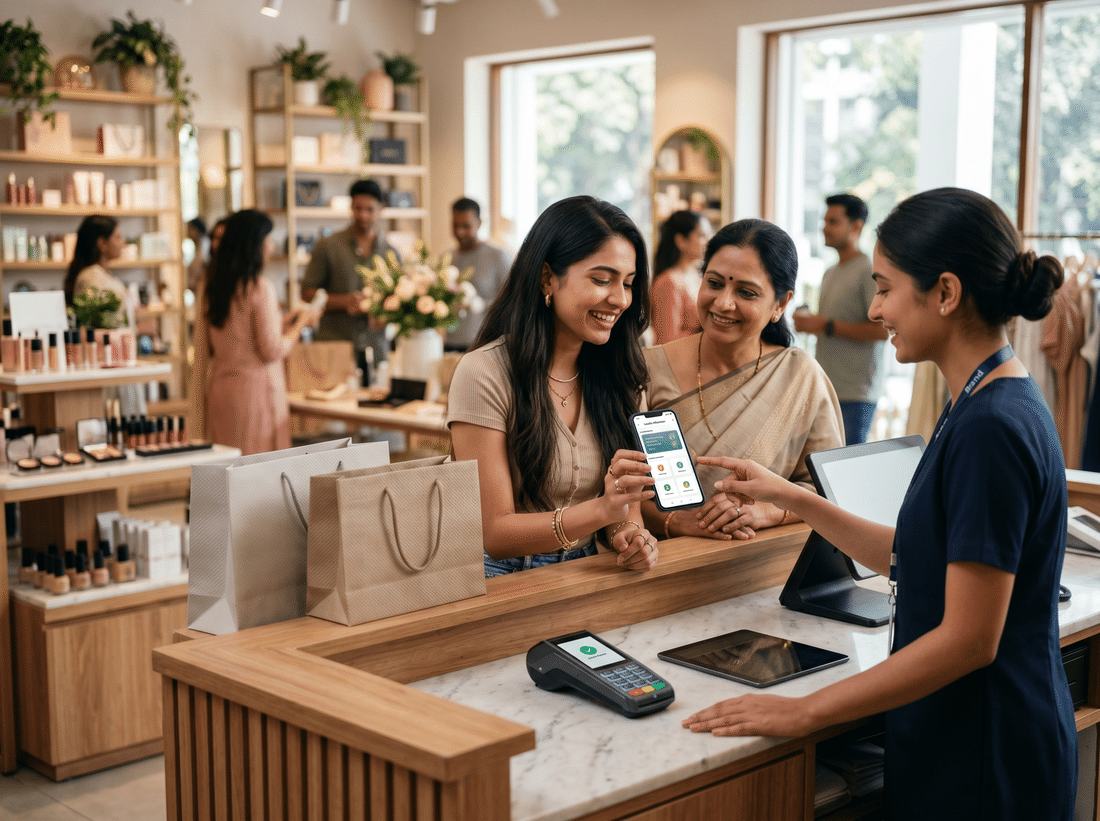
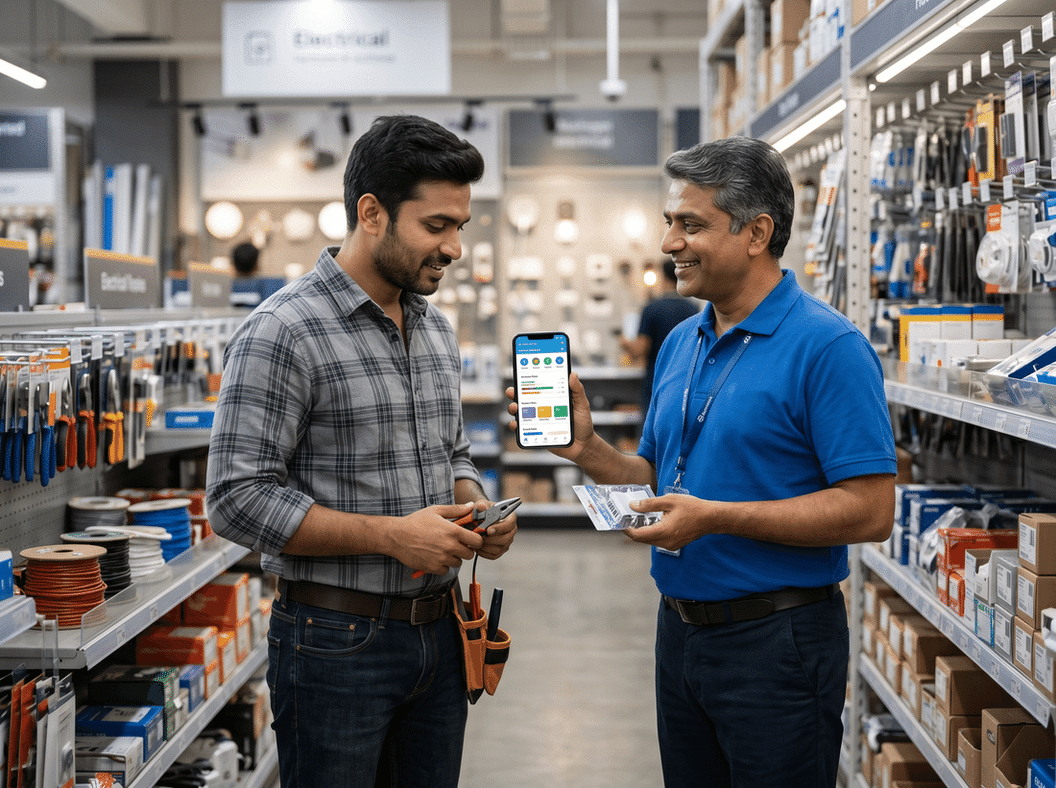
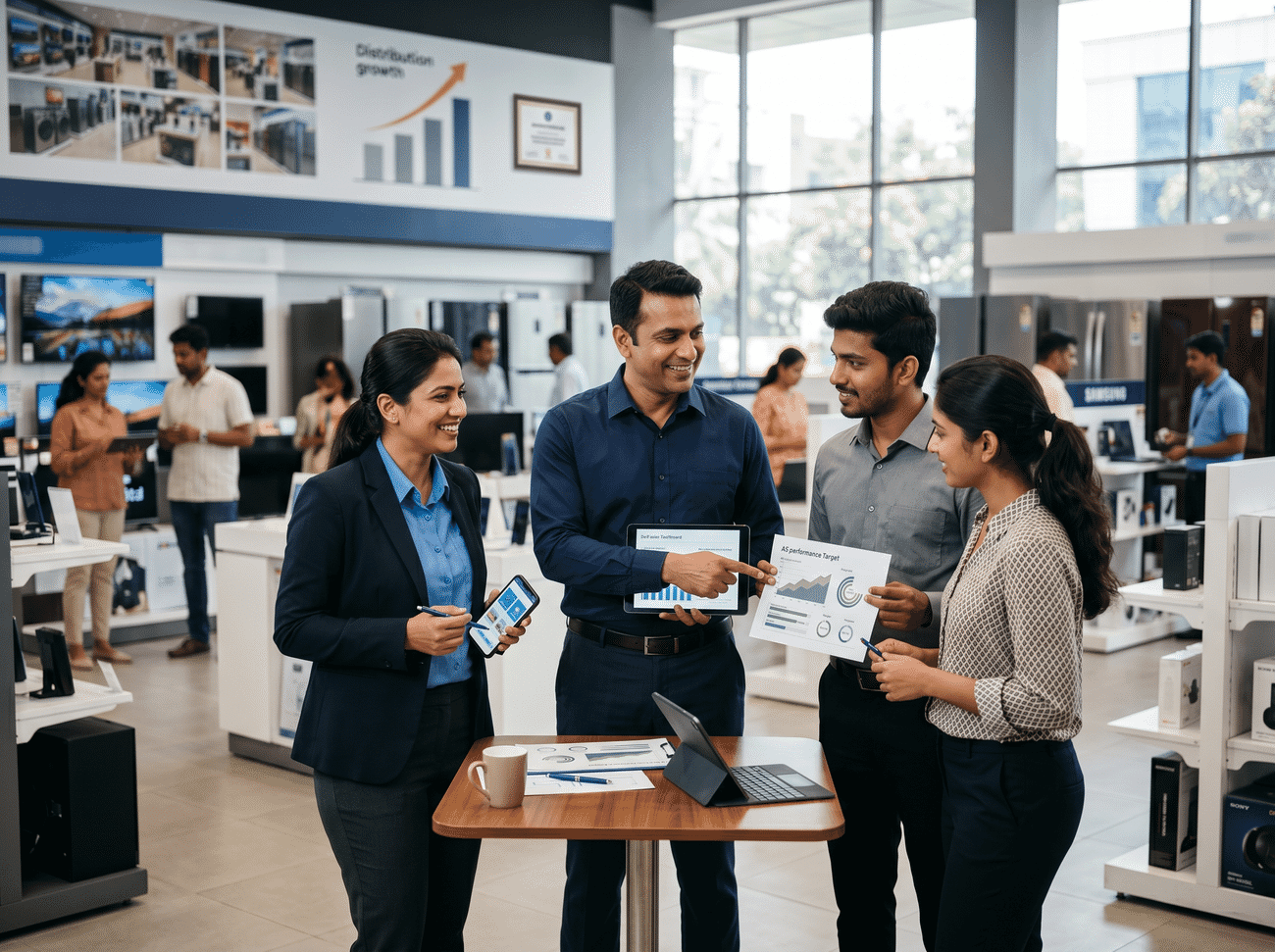

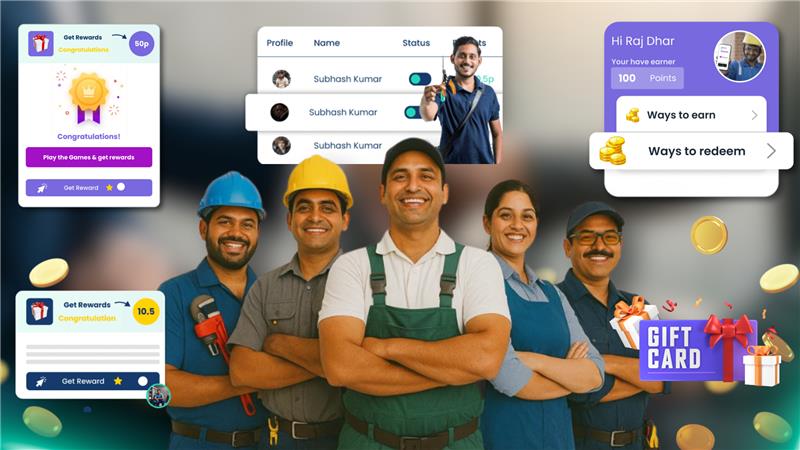
Dealer, consumer, influencer, and field-team programs should not be built with one generic template. We design earning logic, tiers, validation structure, and communication journeys around the audience being influenced and the business objective being moved.


Loyalty fails when rewards feel generic or redemption becomes painful. We handle catalogs, wallets, claims, approvals, payout governance, campaign communication, and recognition moments so the program remains active after launch month.

Real programs need onboarding discipline, proof validation, fraud controls, exception handling, and measurable reporting. We manage those operating layers so loyalty stays credible for both members and the brand team running it.
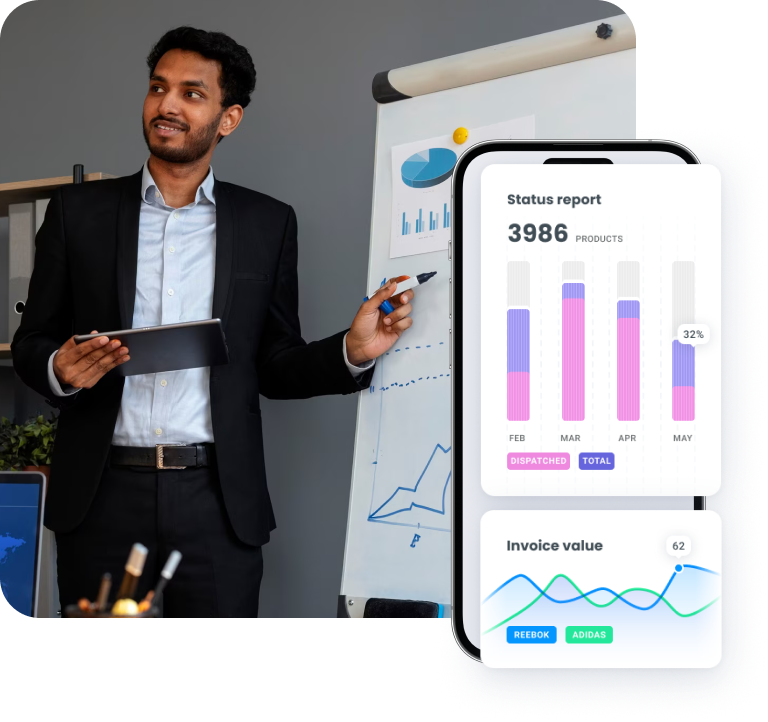
The underlying platform matters as much as the rewards logic. Our in-house stack supports app journeys, communication, redemptions, multilingual execution, approvals, and reporting across audiences so you can see what is working and where the program needs tuning.
What is Loyalty Program Management?
Loyalty program management is the design and operation of structured reward and engagement programs that influence repeat behavior over time. It includes audience design, onboarding, rules for earning and claiming, rewards operations, communication, validation, reporting, and continuous optimization. The real objective is not just to give out rewards, but to create a system that moves repeat purchase, channel engagement, advocacy, or field performance in a measurable way. For dealer and distributor networks, channel loyalty program management also connects secondary-sales goals, member validation, communication, rewards, and reporting in one governed operating model.
The Loyalty Program Types We Manage
Channelplay manages loyalty programs across multiple audience types because brands often need more than one loyalty motion. Our dealer and distributor loyalty programs help improve trade engagement, secondary-sales alignment, and channel push. Our consumer loyalty programs focus on repeat purchase, retention, and first-party customer engagement. Our influencer loyalty programs reward trade professionals who shape product choice on the ground. Our sales team loyalty programs align field incentives to target achievement, outlet expansion, and retail visibility.
What Makes a Loyalty Program Work Over the Long Term?
The strongest programs combine relevant audience logic, a smooth member experience, disciplined validation, and rewards that actually matter to participants. That is true whether you are running a channel loyalty solution, a consumer rewards program, or a field-incentive program. Programs weaken when they are launched as short-term schemes with poor communication, weak redemption operations, or no control layer around claims and exceptions. Long-term loyalty needs operating rigor as much as creative design.
How to Choose the Right Loyalty Program Provider
When evaluating a loyalty program provider, look beyond the app screens. The provider should be able to support strategy, audience segmentation, validation workflows, fraud controls, rewards operations, multilingual communication, and reporting. If the provider only gives you software, your team still has to solve the hard parts of daily program management. A stronger partner combines the platform with the operating model needed to keep the program healthy. When loyalty is one part of a wider field programme, use our retail execution partner evaluation scorecard to compare the shared coverage, governance, data, and commercial controls as well.
Why Brands Use Channelplay for Loyalty Program Management
Brands use Channelplay when they want one partner to connect program design, technology, operations, rewards, and analytics. That matters even more when the loyalty practice spans multiple audiences and internal teams. Instead of treating loyalty as a one-time launch project, we run it as an operating engine that can keep adapting as the business objective changes over time.