
Omnichannel Retailing: How Top Brands Create Seamless Customer Experiences


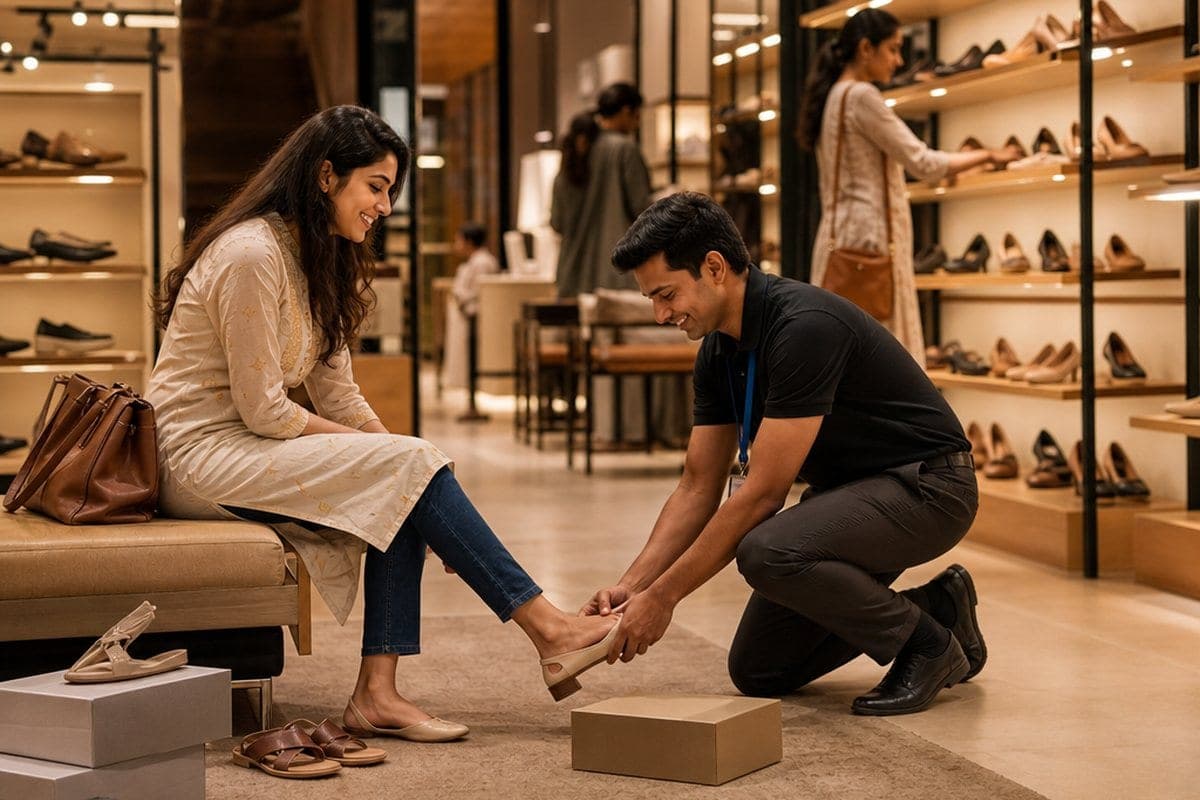
Imagine walking into your favourite store and the staff already knows your preferences, your past purchases, and exactly what you might be looking for next. Now imagine that same personalised experience extending seamlessly to the brand's website, mobile app, and even their social media channels. That is the promise of omnichannel retailing.
As consumers increasingly move between online and offline channels before making a purchase, brands that fail to deliver a unified experience risk losing relevance. Omnichannel retailing is no longer a forward-thinking strategy reserved for global giants. It has become a fundamental expectation across industries, especially in India's rapidly evolving retail landscape.
In this blog, we explore what omnichannel retailing really means, why it matters, and how leading brands are successfully implementing this approach to strengthen customer loyalty and drive growth.
What Is Omnichannel Retailing?
Omnichannel retailing is a customer-centric sales and service strategy that provides a seamless, integrated experience across every touchpoint. Whether a customer shops online through a mobile device, a laptop, or walks into a physical store, the experience remains consistent and cohesive.
The strategy works by interlinking all channels through unified customer profiles, synchronised inventory, and continuous activity tracking. In practice, this means a customer can browse products on a mobile app, add items to their cart, and complete the purchase in-store without any friction.
Key elements that define omnichannel retailing include:
- Unified Customer Data: A single view of the customer across all channels, capturing preferences, purchase history, and browsing behaviour.
- Synchronised Inventory: Real-time stock visibility that allows customers to check product availability across stores and warehouses.
- Consistent Brand Experience: Uniform pricing, promotions, and messaging whether the customer interacts online, in-app, or in-store.
- Cross-Channel Continuity: The ability for customers to start a transaction on one channel and complete it on another without losing progress.
Why Omnichannel Retailing Matters for Modern Brands
The modern consumer does not think in terms of channels. They simply want to interact with a brand in the most convenient way possible at any given moment. Brands that recognise this shift and build their operations around it stand to gain significant competitive advantages.
Stronger Customer Retention
When customers enjoy a frictionless experience across channels, they are far more likely to return. Omnichannel strategies build trust by ensuring that the brand delivers on its promise regardless of how or where the customer engages.
Higher Customer Lifetime Value
Customers who engage with a brand across multiple channels tend to spend more and remain loyal for longer. By meeting customers where they are, brands increase the frequency and depth of their interactions.
Better Operational Efficiency
A unified approach to inventory, fulfilment, and customer data reduces redundancies and allows brands to make smarter decisions about stock allocation, staffing, and marketing spend.
Deeper Customer Insights
Omnichannel systems capture data from every touchpoint, giving brands a comprehensive understanding of customer behaviour. This enables more effective personalisation and targeted marketing.
How Leading Brands Excel at Omnichannel Retailing
Several brands have set benchmarks in omnichannel execution. Here is a closer look at how five leading companies have built integrated customer experiences that drive loyalty and growth.
1. Apple: Seamless Ecosystem Integration
Apple has built one of the most cohesive omnichannel experiences in the world. The brand's strength lies in how tightly its digital and physical channels are woven together.
- Unified Account Experience: A customer's Apple ID connects their purchases, preferences, and support history across every Apple device, the website, and retail stores.
- In-Store Digital Integration: Apple Stores use technology to blur the line between online and offline. Customers can reserve products online and pick them up in-store, or use the Apple Store app to check product availability at nearby locations.
- Consistent Service Quality: Whether a customer reaches out through the Apple Support app, visits a Genius Bar, or calls the helpline, the service experience remains consistently high and personalised.
2. Ultrahuman: Direct-to-Consumer Omnichannel Play
Ultrahuman, the Indian health-tech brand known for its wearable health monitors, has built an omnichannel approach that bridges digital engagement with physical retail touchpoints.
- Content-Driven Digital Presence: Ultrahuman uses its app and website to educate users about health metrics, creating deep digital engagement that translates into product interest.
- Retail Expansion: The brand has expanded into select offline retail stores and experience centres, allowing customers to try products before purchasing.
- Unified Customer Journey: Whether a customer discovers the product through social media, the brand's content platform, or in a physical store, the transition to purchase is smooth and data-connected.
For more on omnichannel trends, read our blog on B2B Omnichannel Retailing: Key Trends to Watch.
3. Turtle Wax: Bridging Online Research and In-Store Purchase
Turtle Wax, the global car care brand with over eight decades of heritage, demonstrates how even product-centric brands can leverage omnichannel retailing effectively.
- Research-to-Purchase Flexibility: Customers can research products online, read reviews, and compare options before purchasing either through e-commerce or at a nearby retail outlet.
- Personalised Engagement: Turtle Wax uses customer data from multiple touchpoints to send tailored recommendations via email and app notifications based on browsing and purchase history.
- Cross-Channel Consistency: Product information, pricing, and promotional offers remain consistent whether a customer shops on the website, through a marketplace, or at a physical store.
4. Acer: Inventory Excellence Across Channels
Acer has invested heavily in the operational backbone of omnichannel retailing, particularly in inventory management and fulfilment.
- Real-Time Inventory Visibility: Acer's systems provide real-time stock level data across all channels, reducing the risk of overstocking or stockouts.
- Efficient Fulfilment: A consignment-based inventory model ensures that customer orders are fulfilled promptly regardless of the purchase channel.
- Unified Brand Experience: From the Acer online store to authorised retail partners, the customer experience remains consistent in terms of product presentation, pricing, and after-sales support.
5. Nykaa: India's Omnichannel Beauty Pioneer
Nykaa, founded in 2012 by Falguni Nayar, has grown into one of India's most prominent beauty and fashion platforms by building a truly integrated omnichannel ecosystem.
- Extensive Physical Footprint: Nykaa operates physical stores across multiple cities in India, including Nykaa Luxe and Nykaa On Trend formats. These stores offer product sampling and expert beauty consultations that complement the online experience.
- Seamless Digital Platform: The Nykaa website and mobile app provide a smooth, user-friendly shopping experience with easy browsing, product discovery, and checkout.
- Community-Driven Engagement: Through the Nykaa Network, an online community for beauty enthusiasts, and the Beauty Book magazine, Nykaa builds engagement that spans beyond transactions and into brand loyalty.
- Hyperlocal Delivery: The physical store network enables faster delivery options, creating a distribution advantage that purely online competitors cannot easily replicate.
Key Pillars of a Successful Omnichannel Strategy
While each brand's approach is unique, successful omnichannel retailing consistently rests on a few foundational pillars.
- Technology Integration: Investing in systems that connect point-of-sale, e-commerce, inventory management, and customer relationship platforms into a single ecosystem.
- Customer Data Unification: Building a single customer view that aggregates data from all touchpoints to enable personalisation and informed decision-making.
- Consistent Brand Messaging: Ensuring that brand voice, visual identity, and value propositions remain uniform across channels.
- Employee Training: Equipping in-store staff with the tools and knowledge to deliver experiences that match the brand's digital promise.
- Agile Fulfilment: Developing supply chain capabilities that support flexible fulfilment options such as buy-online-pick-up-in-store (BOPIS), ship-from-store, and same-day delivery.
Common Challenges in Omnichannel Implementation
Despite its clear benefits, implementing a true omnichannel strategy comes with its share of challenges. Understanding these obstacles helps brands plan more effectively.
- Data Silos: Many organisations store customer and inventory data in disconnected systems, making it difficult to create a unified view.
- Legacy Technology: Older point-of-sale and inventory systems may not integrate easily with modern e-commerce and CRM platforms.
- Organisational Alignment: Omnichannel success requires collaboration across departments. When online and offline teams operate in isolation, the customer experience suffers.
- Consistent Execution at Scale: Maintaining brand and service consistency across hundreds or thousands of touchpoints is operationally demanding.
- Measuring Attribution: Tracking the customer journey across channels and attributing conversions accurately requires sophisticated analytics capabilities.
Steps to Build Your Omnichannel Retailing Strategy
For brands looking to embark on or strengthen their omnichannel journey, here is a practical roadmap.
- Audit Your Current Channels: Map every customer touchpoint and identify gaps where the experience breaks down or data is lost.
- Invest in a Unified Platform: Choose technology that connects your e-commerce, POS, inventory, and CRM systems into a single source of truth.
- Start with Quick Wins: Implement high-impact features like real-time inventory visibility, click-and-collect, and unified loyalty programmes before tackling more complex integrations.
- Train Your Teams: Ensure that in-store staff understand the digital experience and can assist customers who have interacted with the brand online.
- Measure and Iterate: Define clear KPIs such as cross-channel engagement rates, customer satisfaction scores, and repeat purchase rates. Use these metrics to continuously refine your approach.
Conclusion
Omnichannel retailing has evolved from a competitive advantage to a baseline expectation. Brands like Apple, Ultrahuman, Turtle Wax, Acer, and Nykaa demonstrate that success lies not in choosing between online and offline, but in weaving them together into a single, coherent customer journey. The brands that invest in unified data, consistent experiences, and agile fulfilment are the ones building lasting customer relationships.
Key Takeaways:
- Omnichannel retailing unifies all customer touchpoints into one seamless, consistent experience.
- Successful omnichannel brands invest in technology integration, unified customer data, and cross-channel consistency.
- Physical stores remain essential, serving as experience centres and fulfilment hubs within the omnichannel ecosystem.
- Even small and mid-sized retailers can adopt omnichannel principles by starting with practical steps like inventory synchronisation and click-and-collect.
- The key to long-term success is continuous measurement, iteration, and alignment across all teams and channels.
Whether you are a brand looking to integrate your online and offline channels or seeking to strengthen your existing omnichannel approach, the time to act is now. A well-executed omnichannel strategy builds the kind of customer loyalty that drives sustainable growth.
