
Measuring After-Sales Service Experience Through Mystery Shopping


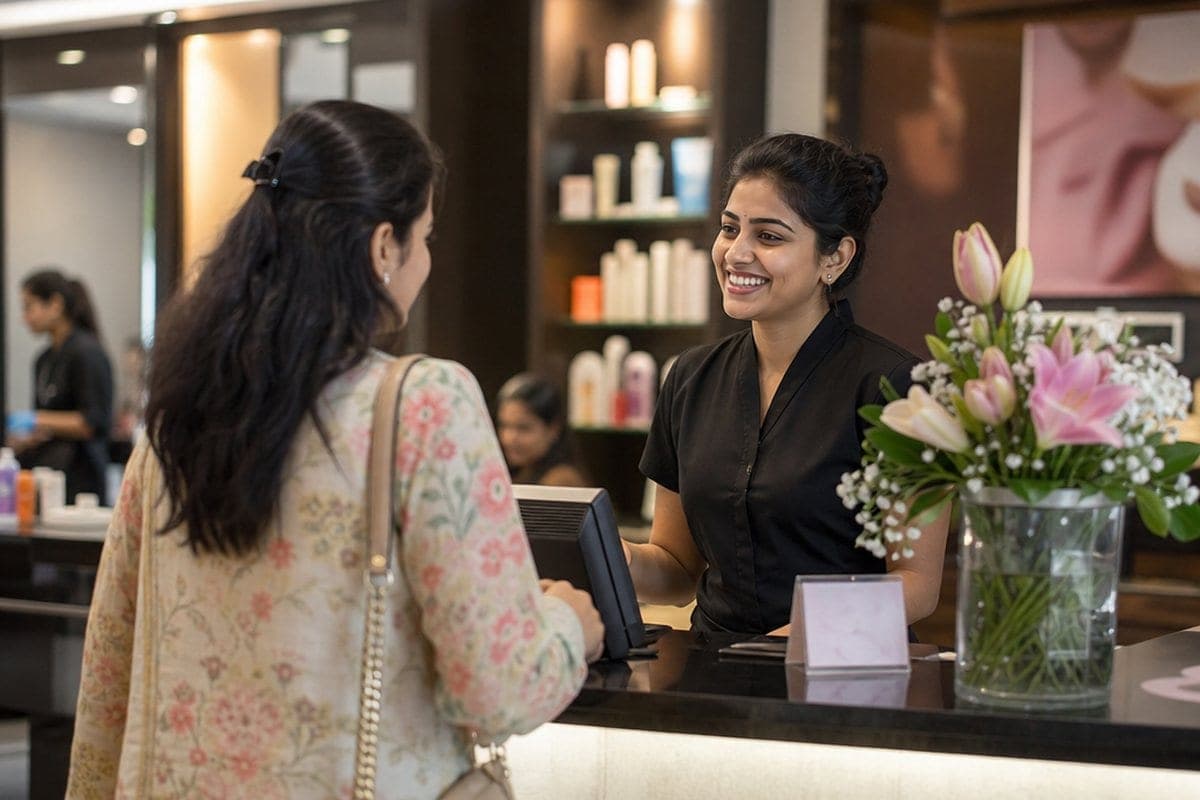
Even when a brand manufactures outstanding products at competitive prices, a poor after-sales service experience can erode customer trust and tarnish its reputation. Whether it involves smartphones, televisions, or consumer appliances, customers frequently encounter long delays, difficulty sourcing spare parts, or repeated calls to customer care with little resolution. These frustrations can push even the most loyal customers away from a brand.
Today's customers expect a long-term relationship with the brands they choose. In response, leading companies invest in robust distribution networks and establish service centres across the country. However, as customer expectations continue to evolve, brands must continuously refine their after-sales services to stay ahead. Poor after-sales experiences often lead to negative reviews on public platforms, diminish brand trust, and ultimately reduce repeat business.
This is where mystery shopping audits become invaluable. By deploying trained evaluators who pose as real customers, brands gain an objective, ground-level assessment of the entire after-sales journey. These audits surface operational gaps and provide the actionable insights brands need to elevate service quality across every touchpoint.
Why After-Sales Service Matters for Brand Loyalty
The purchase of a product is just the beginning of the customer relationship. What happens after the sale often determines whether a customer becomes a repeat buyer or switches to a competitor. After-sales service encompasses everything from warranty support and repair services to complaint resolution and follow-up communication.
When after-sales service is handled well, it reinforces the customer's confidence in the brand. When it falls short, the consequences can be far-reaching, including negative word-of-mouth, lost future revenue, and damage to brand equity. This is why brands that take after-sales service seriously invest in structured evaluation mechanisms like mystery shopping.
What Is an After-Sales Mystery Shopping Audit?
An after-sales mystery shopping audit is a structured evaluation process where trained auditors visit service centres, interact with staff, and assess the entire service experience from a customer's perspective. Unlike traditional feedback surveys, mystery shopping provides an unbiased, real-time snapshot of how service centres operate on a day-to-day basis.
These audits cover every stage of the after-sales journey, from the moment a customer walks into a service centre to the final resolution of their issue. The findings are compiled into detailed reports that highlight both strengths and areas requiring improvement.
Key Parameters Evaluated in After-Sales Service Audits
A well-designed mystery shopping audit evaluates multiple dimensions of the after-sales experience. Here are the critical parameters that auditors assess:
Ambience and Hygiene
The overall ambience and cleanliness of a service centre set the tone for the customer's experience. Auditors assess the look and feel of the space, including lighting, temperature control, odour management, signage, and the availability of a comfortable waiting area. A clean, well-maintained environment signals professionalism and care.
Professionalism and Empathy
How staff interact with customers is a defining factor in after-sales satisfaction. Mystery shoppers evaluate whether representatives address concerns with a pleasant tone, demonstrate patience, and give dedicated attention to each customer. Auditors often capture valid audio evidence to help brands identify specific training needs and communication gaps.
Product and Process Knowledge
Service centre staff should be well-versed in product specifications, service protocols, warranty terms, and any recent updates that could affect complaint resolution. Auditors test whether staff can accurately explain repair timelines, part availability, and troubleshooting steps without guesswork or misinformation.
Adherence to Standard Operating Procedures
Consistency is the hallmark of a reliable service experience. Mystery shopping audits verify whether service centres follow their prescribed SOPs, from the initial greeting and documentation process to the handover of repaired products. Deviations from SOPs often lead to inconsistent customer experiences and can erode brand trust over time.
Prompt Resolution and Turnaround Time
Customers expect timely responses and quick resolutions. Auditors measure the time taken at each stage, from initial acknowledgement of the complaint to the final resolution, and compare it against the service centre's committed turnaround time (TAT). Delays at any stage are flagged for corrective action.
Ethical Standards and Transparency
Audits also scrutinize whether service centres engage in any questionable practices, such as charging customers for in-warranty repairs, inflating costs for spare parts, or adding hidden fees that are not reflected in official billing. Maintaining ethical standards is essential for preserving customer trust and brand integrity.
How Mystery Shopping Audits Drive After-Sales Improvement
The real value of mystery shopping lies in the actionable insights it generates. Here is how brands leverage audit findings to strengthen their after-sales operations:
- Identify Training Gaps: Audit reports highlight specific areas where staff fall short, whether in communication, product knowledge, or process adherence. Brands can then design targeted training programmes to address these gaps.
- Benchmark Service Quality: By conducting audits across multiple service centres, brands can compare performance and identify best practices worth replicating, as well as locations that need additional support.
- Monitor SOP Compliance: Regular audits ensure that service centres maintain consistent standards over time, rather than allowing quality to deteriorate between formal reviews.
- Detect Unethical Practices: Mystery shopping helps uncover billing irregularities or unauthorized charges before they escalate into widespread customer complaints or legal issues.
- Improve Customer Retention: When after-sales service meets or exceeds expectations, customers are far more likely to remain loyal, recommend the brand to others, and make repeat purchases.
Best Practices for Implementing After-Sales Mystery Shopping
To get the most out of mystery shopping audits, brands should follow these best practices:
- Define Clear Evaluation Criteria: Establish specific parameters and scoring metrics before launching audits so that findings are consistent and comparable across locations.
- Use Trained and Calibrated Auditors: Ensure that mystery shoppers are well-briefed on the brand's SOPs, product range, and service standards so they can accurately evaluate the experience.
- Conduct Audits at Regular Intervals: One-off audits provide a snapshot, but regular audits reveal trends and help track the impact of improvement initiatives over time.
- Act on Findings Promptly: The value of an audit diminishes if findings are not translated into concrete action plans. Assign ownership, set timelines, and follow up on corrective measures.
- Combine with Customer Feedback: Mystery shopping works best when paired with genuine customer feedback channels, creating a comprehensive view of the after-sales experience from both structured and organic perspectives.
Conclusion
A superior after-sales service experience is essential for fostering long-term brand loyalty and protecting brand reputation. Mystery shopping audits give brands an objective, detailed view of how their service centres perform on the ground, highlighting both strengths and areas that need attention. By acting on these insights, brands can close service gaps, strengthen SOP compliance, and deliver the kind of consistent, high-quality experience that keeps customers coming back.
Key Takeaways:
- After-sales service quality directly impacts customer retention, brand trust, and repeat purchase behaviour.
- Mystery shopping audits evaluate critical parameters including ambience, staff professionalism, product knowledge, SOP adherence, turnaround time, and ethical standards.
- Regular audits help brands benchmark performance across service centres, detect unethical practices, and drive targeted improvements.
- Combining mystery shopping with customer feedback provides a comprehensive view of the after-sales experience.
- Acting promptly on audit findings is essential to translating insights into measurable service improvements.
Investing in structured after-sales evaluation through mystery shopping is one of the most effective ways for brands to ensure their service centres consistently meet customer expectations and uphold the standards that define the brand.
