
Signage Maintenance in Retail: Best Practices & Tips


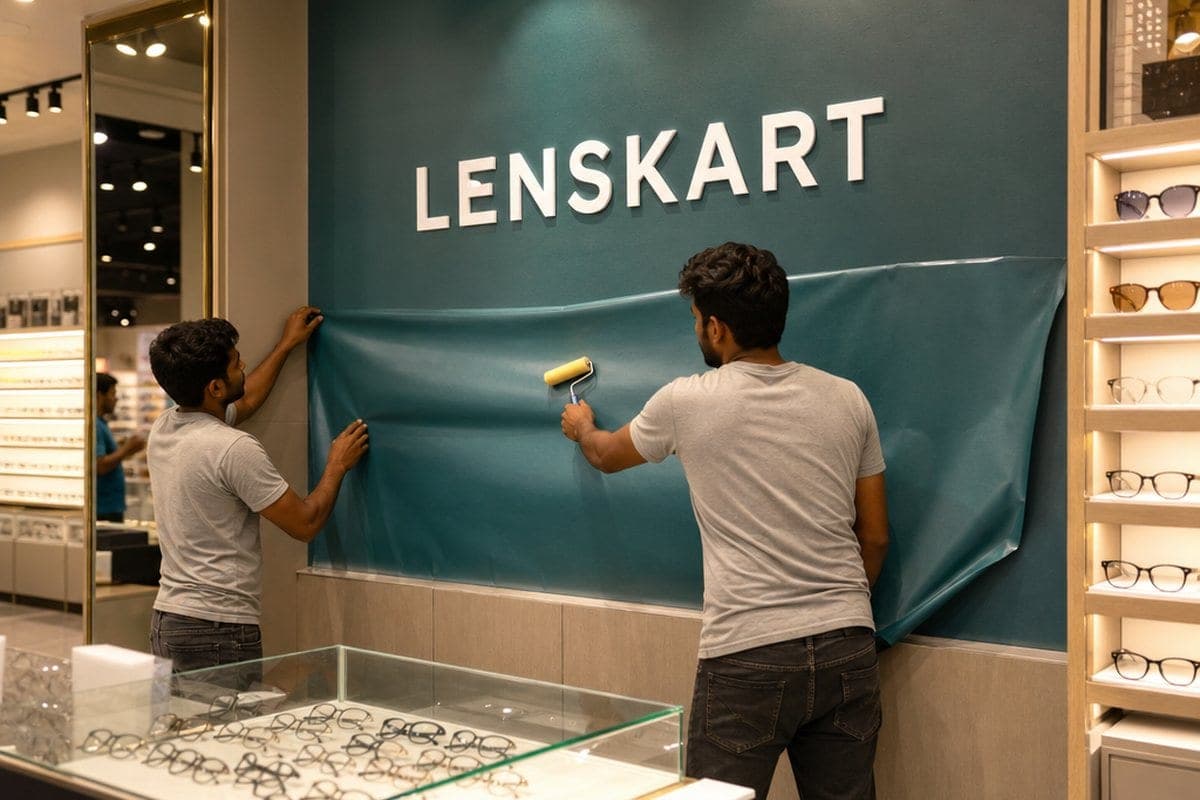
First impressions are formed within moments, and for retail businesses, exterior signage is often the very first point of contact with potential customers. A well-maintained and visually appealing sign communicates professionalism, builds trust, and draws foot traffic into your store. Conversely, a neglected sign—one that is faded, flickering, or damaged—can deter customers before they even step inside.
In a competitive retail landscape, signage is more than just a nameplate. It serves as a round-the-clock marketing asset, silently communicating your brand identity to every passerby. Yet, many retailers overlook routine signage maintenance, allowing their most visible brand touchpoint to deteriorate over time.
In this guide, you will learn about the different types of retail signage, their specific maintenance requirements, warning signs that indicate your signage needs attention, and actionable best practices for installation and upkeep.
Why Signage Maintenance Matters for Retail Success
Exterior signage functions as a strategic asset for any retail establishment. Neglecting its upkeep can lead to a diminished brand image, reduced foot traffic, and missed sales opportunities. Here is why regular maintenance should be a priority:
- Brand Perception: Clean, well-lit signage reinforces a professional image and signals to customers that the business values quality and attention to detail.
- Customer Trust: A maintained storefront communicates reliability. Customers are more likely to enter a store that looks cared for than one with a damaged or dirty sign.
- Visibility and Footfall: Signage that is bright, legible, and properly positioned attracts walk-in traffic, especially in busy commercial areas and malls.
- Compliance and Safety: Many municipalities have regulations governing signage condition. Regular maintenance helps ensure compliance and prevents safety hazards such as loose panels or exposed wiring.
Signage also plays a vital role in building brand awareness, reinforcing brand identity with every impression it makes on passersby.
Types of Retail Signage and Their Maintenance Needs
Different signage materials and technologies come with distinct maintenance requirements. Understanding these differences is essential for developing an effective upkeep schedule.
ACP (Aluminium Composite Panel) Signage
ACP signages are durable and weather-resistant, making them popular for exterior applications. However, they do accumulate dirt, dust, and environmental residue over time. Periodic cleaning with appropriate solutions helps maintain their appearance and extends their lifespan.
Glow Sign Boards
Glow sign boards rely on electrical components for illumination. Regular inspection of lights, transformers, and wiring is necessary to ensure consistent brightness. Neglected electrical components can lead to partial illumination or complete failure, making the sign ineffective after dark.
Backlit Signages
Backlit signs require careful attention to their light source, diffuser panels, and power supply. Any inconsistency in lighting—such as uneven brightness or dark spots—should be addressed promptly to maintain visual impact. For more on choosing the right type of signage, explore our guide on essential features of outdoor and indoor digital signage.
Non-Lit Boards (Flex and Vinyl)
Non-lit signages such as flex boards and vinyl wraps do not have electrical components, but they are vulnerable to weathering, fading, and physical damage. Periodic media replacement keeps the messaging fresh, legible, and on-brand.
Digital Signage Displays
Digital signage offers dynamic content capabilities but requires regular software updates, screen calibration, and hardware checks. Protecting displays from moisture and extreme temperatures is also essential. Learn more about leveraging this format in our post on reasons to upgrade to digital signage.
Methods of Signage Maintenance
A comprehensive signage maintenance program covers several key areas. Here are the primary methods to keep your retail signage in optimal condition:
- Electrical Equipment Maintenance: Routine inspection and servicing of switches, adapters, transformers, and power supply units ensures uninterrupted functionality for illuminated signage.
- Flex and Vinyl Replacement: For non-lit signages, timely replacement of flex or vinyl material prevents faded messaging and maintains the sign's visual appeal.
- Hardware Inspection: Checking iron frames, mounting angles, and joints for corrosion, rust, or structural weakness prevents potential safety issues and extends the sign's life.
- Acrylic Letter Repair or Replacement: Cracked, chipped, or missing acrylic letters compromise legibility. Prompt repair or replacement keeps your brand name clear and professional.
- Full Signage Replacement: When an ACP panel or Glow Sign Board is extensively damaged, full replacement is often more cost-effective than repeated repairs.
- Cleaning: Regular cleaning removes accumulated dirt, dust, bird droppings, and pollution residue, ensuring the signage remains visually appealing and easy to read.
Warning Signs That Your Signage Needs Attention
Proactive maintenance is always more cost-effective than emergency repairs. Watch for these indicators that your signage requires immediate attention:
- Flickering Lights or No Illumination: If lights are flickering, partially lit, or completely out, the electrical components need servicing or replacement.
- Faded or Discoloured Graphics: UV exposure and weathering cause vinyl and printed materials to lose their vibrancy, making the signage look outdated.
- Cracked, Peeled, or Torn Vinyl: Physical damage to vinyl stickers and wraps compromises the sign's integrity and should be addressed promptly.
- Rusted Frames or Mounting Hardware: Corrosion on iron frames and mounting angles can weaken the structure, posing a safety risk.
- Broken or Damaged Acrylic Letters: Missing or damaged letters make the signage unreadable and reflect poorly on the brand.
- Dirty or Untidy Appearance: Accumulated grime makes even a well-designed sign look neglected. Regular cleaning is the simplest yet most impactful maintenance task.
If you notice any of these signs, scheduling maintenance promptly can prevent further deterioration and higher repair costs down the line.
The Role of Signage in Retail Branding
Signage serves as a visual guide, providing essential information about a store, office, or mall to customers while reinforcing brand identity. It functions as a powerful, always-on communication channel between the business and its audience.
Here are the key roles signage plays in retail branding:
- Awareness: Signage helps customers locate retail outlets and identify the products or services available inside. In large commercial complexes with multiple shops, clear signage is essential for navigation.
- Increased Walk-ins: Strategically placed and well-maintained signage generates foot traffic by guiding customers to your store and creating visual interest.
- Communication: Signage acts as a medium of indirect communication between retailers and passersby, conveying key information about offerings without requiring any direct interaction.
- Brand Recall: Consistent, visible signage deployment across multiple locations contributes to strong brand recall. Over time, customers begin to recognize and associate the sign design with the brand itself.
For retailers looking to strengthen their in-store presence beyond signage, brand visibility strategies in retail offer a comprehensive approach.
Best Practices for Signage Installation: Dos and Don'ts
Effective signage starts with thoughtful installation. Making the right choices during the planning and installation phase can significantly impact both the sign's performance and its long-term maintenance requirements.
Do: Choose the Right Signage Type
Select signage based on your specific context—consider the market type (metro, tier-1, or tier-2 city), the category of retail outlet, and the expected return on investment. A premium glow sign board may be ideal for a high-traffic metro location, while a well-designed flex board could serve a smaller market effectively.
Do: Position Strategically
Place your signage where it enjoys maximum visibility without obstructing the store entrance or pedestrian pathways. The sign should be a natural focal point that draws attention from key approach directions.
Do: Keep It Clean and Clutter-Free
Your signage should present information clearly and concisely. Avoid overcrowding the sign with excessive text or imagery. A clean, focused design is far more effective at capturing attention and communicating your brand message.
Do: Use Weather-Resistant Materials
Select materials that can withstand local weather conditions—rain, heat, humidity, and dust. Investing in durable materials reduces the frequency and cost of maintenance over time.
Do: Obtain Proper Approvals
Secure all necessary permits and approvals before installation. Local government authorities may have specific regulations about signage placement, size, and illumination. Ensure your signage complies with safety standards and local guidelines to avoid penalties or forced removal.
Conclusion
Signage maintenance is not a one-time task but an ongoing responsibility that directly impacts your retail brand's visibility, customer perception, and foot traffic. From routine cleaning and electrical inspections to timely material replacement and structural checks, a proactive maintenance approach keeps your signage performing at its best.
Key Takeaways:
- Treat signage as a strategic brand asset that requires regular maintenance, not just a one-time installation.
- Different signage types—ACP, glow sign boards, backlit, non-lit, and digital—each have unique maintenance needs.
- Watch for warning signs like flickering lights, faded graphics, rust, and damage to address issues before they escalate.
- Invest in weather-resistant materials and strategic placement during installation to reduce long-term maintenance costs.
- Ensure compliance with local regulations and safety standards to avoid penalties and protect public safety.
By prioritizing signage maintenance, retailers can ensure their storefront continues to make a strong first impression, attract customers, and reinforce brand identity day after day.
