
Product Display Best Practices for Retail Stores


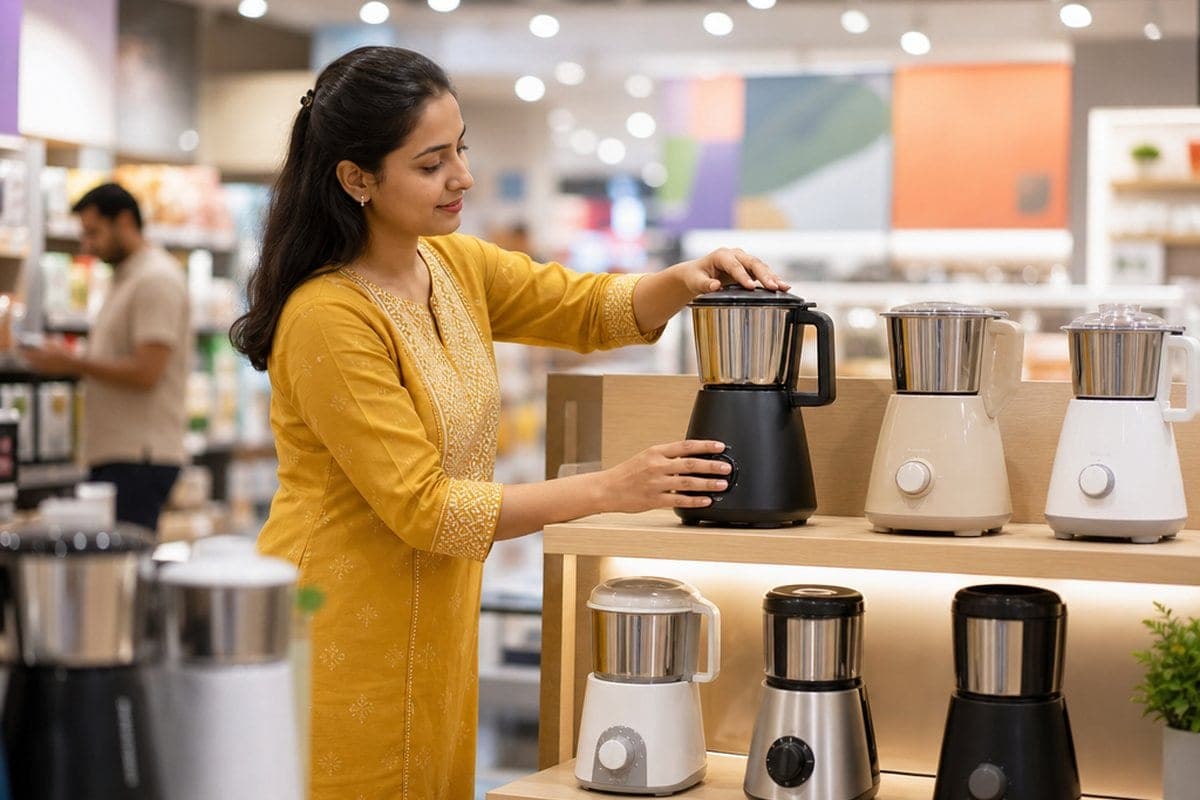
- Why Product Displays Matter in Retail
- Aisle Organisation and Store Layout
- Shelf Management and Product Placement
- Category Organisation and Themed Displays
- Highlighting New Arrivals and Best-Sellers
- Signage, Price Cards, and Brand Communication
- The Art of Curated Displays: Less Is More
- Window Displays: Your Store's First Impression
- Display Strategies for Different Retail Segments
- Conclusion
Walk into any successful retail store and you will notice something immediately -- products are not just placed on shelves; they are presented with purpose. The way merchandise is displayed directly shapes how customers perceive a brand, how long they spend in-store, and whether they ultimately make a purchase.
In a competitive retail environment where shoppers have more choices than ever, a well-executed product display can be the difference between a casual browser and a paying customer. Yet many retailers still treat displays as an afterthought, missing a significant opportunity to influence buying decisions right at the point of sale.
This guide covers the essential product display best practices that retail stores can apply to improve customer engagement, strengthen brand presentation, and create a shopping experience that encourages repeat visits.
Why Product Displays Matter in Retail
Product displays serve as the silent sales team in any retail store. They communicate value, guide customer attention, and create an emotional connection between the shopper and the merchandise. A thoughtfully designed display does more than showcase products -- it tells a story about the brand and helps customers visualise how an item fits into their lives.
Effective displays accomplish several objectives simultaneously:
- Attract foot traffic: Eye-catching window and entrance displays draw passersby into the store.
- Guide navigation: Organised displays help customers find what they need without frustration.
- Encourage discovery: Strategic placement introduces shoppers to products they may not have been actively looking for.
- Reinforce brand identity: Consistent display standards communicate professionalism and build trust.
When product displays are treated as a core part of the retail strategy rather than a cosmetic detail, they become a powerful driver of both customer satisfaction and sales performance.
Aisle Organisation and Store Layout
The foundation of effective product display starts with how the store itself is organised. Before individual displays can work their magic, the overall layout needs to support easy navigation and a comfortable shopping experience.
Keep Aisles Clean and Clutter-Free
Cluttered aisles create a sense of chaos that discourages browsing and makes customers feel rushed. Maintaining clear, well-organised pathways allows shoppers to move through the store at their own pace, increasing the likelihood that they will explore multiple sections.
- Remove excess stock from the floor: Keep backup inventory in storage rather than stacking it in aisles.
- Maintain consistent spacing: Ensure there is enough room for customers to browse comfortably, especially in high-traffic areas.
- Regular maintenance checks: Assign staff to walk the floor periodically and tidy displays, straighten products, and clear obstructions.
Design Customer-Friendly Layouts
A well-planned store layout naturally guides customers through the space, exposing them to key product categories along the way. Consider the flow of traffic from the entrance and position your most important displays along the primary walking path.
- Decompression zone: Leave the first few feet inside the entrance relatively open, giving customers a moment to adjust before they start shopping.
- Power walls: Use the wall directly to the right of the entrance for high-impact displays, as most shoppers naturally turn right when entering a store.
- Speed bumps: Place small feature displays along main aisles to slow customers down and encourage them to notice products they might otherwise walk past.
Shelf Management and Product Placement
Once the store layout is set, the next priority is how individual products are arranged on shelves and display fixtures. Thoughtful shelf management ensures that every product is visible, accessible, and positioned to maximise its appeal.
Place Products at Accessible Heights
Products placed at eye level and within easy reach receive the most attention. Items positioned too high or too low are often overlooked. Consider your target customer when deciding placement -- children's products, for example, should be at a lower eye level than adult merchandise.
- Eye-level placement: Reserve this prime shelf space for your best-sellers or highest-margin items.
- Reach-friendly positioning: Avoid placing everyday items on the topmost or bottommost shelves where they require stretching or bending.
- Demo and touch points: For products that benefit from hands-on interaction, place them on accessible display tables or counters.
Maintain Well-Stocked, Tidy Shelves
Empty shelves communicate neglect, while overstuffed shelves feel chaotic. The goal is a balanced presentation where products are clearly visible, neatly arranged, and easy to pick up.
- Face products forward: Ensure labels and branding face the customer consistently across all shelves.
- Fill gaps promptly: Train staff to restock shelves regularly throughout the day, not just during opening and closing.
- Use shelf dividers: Keep product categories visually separated and prevent items from sliding into each other.
Category Organisation and Themed Displays
How products are grouped within the store has a significant impact on the shopping experience. Clear categorisation helps customers find what they need quickly, while themed displays encourage exploration and cross-selling.
Create Distinct Product Sections
Organise merchandise into clearly defined sections based on category, use case, or customer segment. This makes the store intuitive to navigate and reduces the friction between browsing and buying.
- Logical grouping: Place related products together so customers can compare options easily.
- Clear signage: Use visible category headers and directional signs to help shoppers orient themselves.
- Consistent placement: Keep categories in the same location over time so regular customers can shop efficiently.
Build Themed and Seasonal Displays
Themed displays group products around a concept, occasion, or lifestyle scenario rather than a strict product category. These displays spark inspiration and often lead to larger basket sizes because they show customers how multiple products work together.
- Seasonal themes: Align displays with festivals, holidays, or seasonal trends to stay relevant and timely.
- Lifestyle vignettes: Create mini scenes that show products in context -- such as a fully set dining table for kitchenware or a styled outfit for apparel.
- Cross-category bundles: Combine complementary items from different categories to encourage multi-product purchases.
Highlighting New Arrivals and Best-Sellers
Customers are naturally drawn to what is new and what is popular. Giving these products prominent placement keeps the store feeling fresh and helps shoppers make confident purchasing decisions.
Position New Arrivals Front and Centre
New products deserve prime real estate in the store. Placing them near the entrance, on endcaps, or in dedicated "new arrivals" sections ensures they get noticed immediately.
- Dedicated display area: Reserve a specific section of the store for new arrivals that gets updated regularly.
- Attention-grabbing signage: Use clear "New" or "Just In" labels to draw the eye and create a sense of freshness.
- Rotational updates: Refresh these displays frequently to maintain a sense of novelty for repeat visitors.
Showcase Best-Sellers and Staff Picks
Highlighting popular products serves as social proof, reassuring customers that they are making a good choice. Best-seller displays reduce decision fatigue and can be particularly effective for new or undecided shoppers.
- Best-seller shelf tags: Simple labels like "Customer Favourite" or "Top Pick" add credibility without being pushy.
- Staff recommendations: Personal picks from store staff add a human touch and build rapport with customers.
- Rotating selections: Update best-seller displays periodically to reflect current trends and purchasing patterns.
Signage, Price Cards, and Brand Communication
Product displays are only as effective as the information they communicate. Clear, well-designed signage acts as a silent salesperson, answering customer questions and reinforcing brand messaging at the point of decision.
Use Clear Price and Feature Cards
Customers should never have to search for pricing information. Attach clear, readable price tags and feature cards to every display product. For high-consideration items like electronics or appliances, specification cards that highlight key features and benefits can significantly influence purchase decisions.
- Legible typography: Use fonts that are easy to read from a comfortable distance.
- Key specifications: Highlight the features that matter most to buyers -- dimensions, materials, compatibility, and warranty.
- Consistent format: Use a uniform card design across the store for a professional, cohesive look.
Maintain Consistent Brand Presentation
Every touchpoint in the store -- from back wall branding to countertop displays -- should reinforce your brand identity. Consistency builds recognition and trust, making customers feel confident in their shopping environment.
- Brand colour and logo placement: Ensure your brand colours and logo appear consistently across all display materials.
- Tone of voice: Keep messaging aligned with your brand personality, whether that is playful, premium, or practical.
- Back wall branding: Use the wall behind key display areas for large-format brand visuals that create an immersive experience.
The Art of Curated Displays: Less Is More
One of the most common mistakes in retail merchandising is trying to display everything at once. Overcrowded displays overwhelm customers and dilute the impact of individual products. A curated approach -- showing fewer, well-chosen items -- creates a sense of quality and makes each product stand out.
- Edit ruthlessly: Select only the products that best represent each category or theme for your display. Keep backup stock accessible but out of sight.
- Create breathing room: Allow space between displayed items so each product can be appreciated individually.
- Use focal points: Design each display around a single hero product or central theme, with supporting items arranged to complement rather than compete.
- Rotate regularly: Swap out displayed products on a scheduled basis to keep the store looking fresh without adding more items to each display.
Window Displays: Your Store's First Impression
The window display is often the first interaction a potential customer has with your store. It sets expectations, communicates your brand positioning, and -- when done well -- compels passersby to step inside.
Keep It Simple and Relevant
An effective window display does not try to show the entire store's inventory. Instead, it offers a curated glimpse of what is inside, sparking curiosity and drawing the viewer in.
- One clear message: Each window display should communicate a single idea, theme, or promotion rather than multiple competing messages.
- Reflect the product mix: Ensure the window accurately represents what customers will find inside the store.
- Seasonal relevance: Update window displays to align with current seasons, festivals, or trending themes.
Tell Your Brand Story
The window is a canvas for brand storytelling. Use it to communicate your values, showcase your craftsmanship, or highlight what makes your products unique. A well-told story in the window creates an emotional connection before the customer even enters the store.
- Visual narrative: Arrange products and props to suggest a story or lifestyle that resonates with your target audience.
- Lighting: Use focused lighting to highlight key products and create depth and drama in the display.
- Update frequency: Change window displays regularly -- ideally every two to four weeks -- to maintain freshness and give repeat passersby a reason to look again.
Display Strategies for Different Retail Segments
Product display best practices vary depending on the type of retail store and the merchandise being sold. Here is how display strategies can be adapted for different retail segments.
Fashion and Apparel
Fashion retail relies heavily on visual storytelling. Displays should show complete outfits, use mannequins to demonstrate fit and styling, and change frequently to reflect new collections and seasonal trends.
Consumer Electronics
Electronics displays should prioritise hands-on interaction. Working demo units, clear specification cards, and comparison displays help customers evaluate products and make informed decisions.
FMCG and Grocery
For fast-moving consumer goods, shelf organisation, planogram compliance, and impulse-buy placements near checkout counters are the primary display priorities. Consistent stock levels and clear pricing are essential.
Home and Lifestyle
Lifestyle retailers benefit from room-like vignettes and aspirational displays that show products in context. Grouping items by room, theme, or colour palette helps customers envision products in their own spaces.
Conclusion
Product displays are one of the most direct and controllable levers retailers have for influencing customer behaviour. From the store entrance and window display through to shelf organisation and in-aisle signage, every display decision shapes the shopping experience and impacts sales outcomes.
Key Takeaways:
- Keep store aisles clean and layouts customer-friendly to encourage exploration and reduce friction.
- Place products at accessible heights and maintain well-stocked, neatly arranged shelves for maximum visibility.
- Organise products into clear categories and use themed displays to inspire cross-category purchases.
- Highlight new arrivals and best-sellers in prominent positions to keep the store feeling fresh and relevant.
- Use clear signage and consistent branding across all display touchpoints to build trust and aid decision-making.
- Adopt a curated, less-is-more approach to avoid overwhelming customers and make each product stand out.
Implementing these product display best practices does not require a massive budget -- it requires a disciplined approach to visual merchandising and a commitment to seeing the store through the customer's eyes. Start with one section, measure the impact, and expand from there.
