
In-Store Promoter Programs Guide | Maximize Retail Sales with Brand Promoters


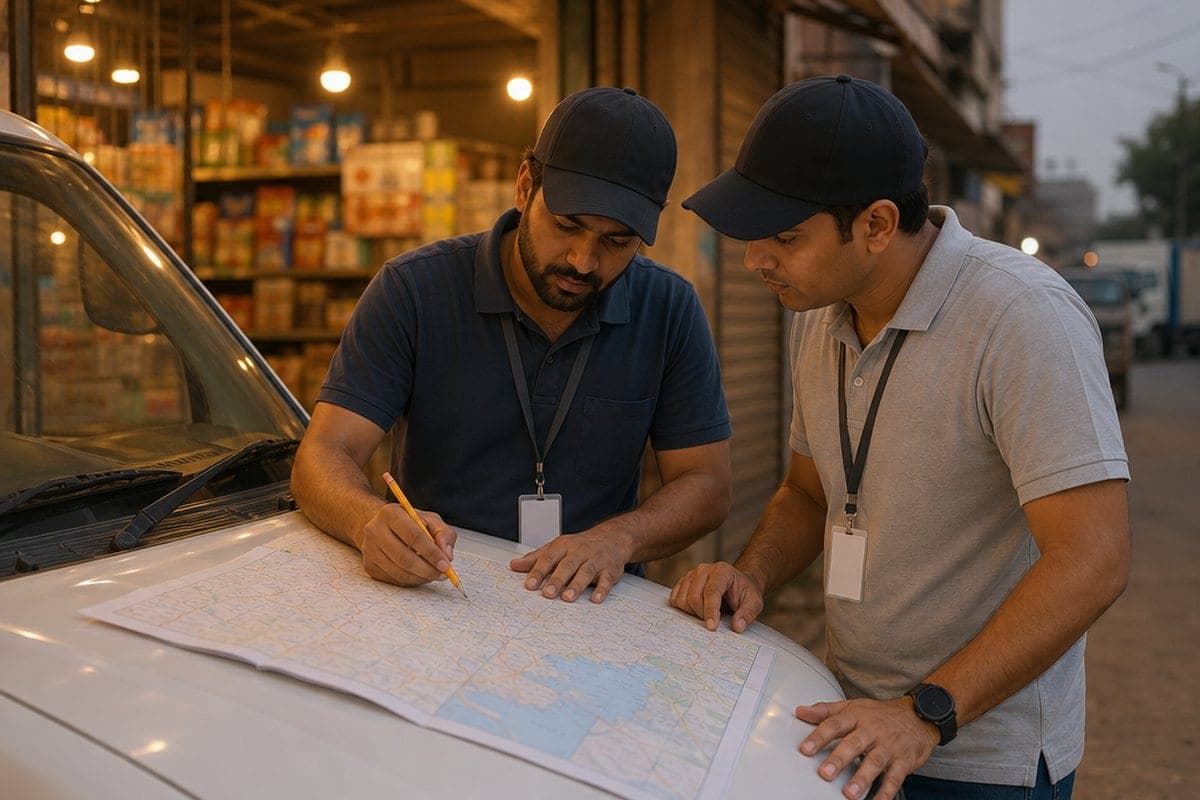
In the battle for consumer attention at the point of purchase, in-store promoters remain one of the most effective weapons in a brand's arsenal. A well-trained promoter can increase brand sales by 30-50% at the stores where they're deployed. Yet many brands struggle to make their promoter programs deliver consistent ROI.
This guide covers everything you need to know about building and running effective in-store promoter programs—from strategic planning through execution and measurement.
Understanding the Promoter Opportunity
Why In-Store Promoters Work
Promoters are effective because they intervene at the moment of truth:
- Decision Influence: 70% of purchase decisions are made in-store
- Information Gap: Shoppers often lack product knowledge to choose confidently
- Competitive Defense: Counter competitor promoters and prevent brand switching
- Human Connection: Personal engagement creates trust that displays can't
- Immediate Action: Drive purchase today, not "consideration"
When to Deploy Promoters
Promoter investment makes sense when:
- Product requires explanation or demonstration
- Category has high competitive intensity at shelf
- New product launch needs trial generation
- High-margin products justify the investment
- Stores have sufficient footfall to warrant dedicated resource
Types of Promoter Programs
- Permanent Promoters: Dedicated staff at high-volume locations
- Roving Teams: Mobile promoters covering multiple stores on rotation
- Campaign Promoters: Temporary deployment for launches or festivals
- Demo Specialists: Focused on product demonstration rather than sales
- Brand Ambassadors: Premium positioning for lifestyle and premium brands
Strategic Program Design
Store Selection Criteria
Deploy promoters where they'll have maximum impact:
- Footfall Analysis: Stores with sufficient customer traffic
- Category Performance: Strong category sales indicating demand
- Competitive Presence: Stores where competitors have promoter coverage
- Store Partnership: Retailer cooperation for placement and visibility
- Geographic Coverage: Strategic market presence requirements
Coverage Model Design
Match deployment model to business objectives:
- Full-time dedicated: 6 days/week at single store (high-value locations)
- Shared coverage: Split time between 2-3 nearby stores
- Weekend warriors: Thursday-Sunday coverage (peak shopping days)
- Peak hours: Deployment during high-traffic time slots only
- Event-based: Concentrated deployment during campaigns
Defining Success Metrics
Establish clear KPIs before deployment:
- Sales per promoter day (primary metric)
- Conversion rate (demos/interactions to sales)
- Brand share lift at covered vs. non-covered stores
- Average transaction value
- Customer feedback/satisfaction scores
Recruitment & Selection
Ideal Promoter Profile
Look for candidates with:
- Communication Skills: Clear, persuasive verbal ability
- Appearance: Professional, well-groomed presentation
- Enthusiasm: Genuine energy and positivity
- Resilience: Ability to handle rejection and long shifts
- Reliability: Consistent attendance and punctuality
- Product Interest: Genuine curiosity about the category
Sourcing Channels
- Job portals and classified advertisements
- College campus recruitment
- Referrals from existing promoter network
- Social media and WhatsApp groups
- Walk-in drives at high-footfall locations
- Staffing agency partnerships
Selection Process
- Document screening: Education, address, ID verification
- Telephonic round: Communication and language assessment
- In-person interview: Appearance, enthusiasm, situational questions
- Role play: Simulated customer interaction
- Reference check: Previous employment verification
Training Program Design
Induction Training Curriculum
Comprehensive initial training should cover the areas below. For group-based induction, product workshops, and selling-skills role plays, brands can use Channelplay's classroom training services.
Product Knowledge (40% of training time)
- Product features, benefits, and specifications
- Competitive comparison and differentiation
- Common customer questions and objections
- Technical demonstrations and use cases
Selling Skills (30% of training time)
- Approach and engagement techniques
- Need identification through questions
- Benefit presentation and demonstration
- Objection handling scripts
- Closing techniques
Operations & Compliance (20% of training time)
- Attendance and reporting procedures
- App-based reporting and data capture
- Store relationship management
- Dress code and grooming standards
- Do's and don'ts at retail locations
Brand Immersion (10% of training time)
- Brand history and values
- Current campaigns and messaging
- Target customer profile
- Brand positioning vs. competition
Ongoing Training
- Weekly huddles for performance review and coaching
- Monthly product updates for new launches
- Quarterly refresher programs
- Certification renewal requirements
When promoters need improvement inside actual stores rather than only in training rooms, brands often add field training services so trainers can coach product pitch, demos, and objection handling on the route itself.
Deployment & Operations
Store Onboarding
Set promoters up for success at each location:
- Introduction to store manager and staff
- Designated position and movement boundaries
- Break timing and facility access
- Stock and sample storage arrangements
- Emergency contacts and escalation procedures
Daily Operations
- Check-in: GPS-verified attendance via mobile app
- Stock check: Verify product availability and visibility
- Active selling: Engage shoppers during store hours
- Data capture: Log interactions, sales, and competitive activity
- Check-out: End-of-day reporting and handover
Supervision Structure
Effective supervision ratios:
- Team Leader: 8-12 promoters (store visit-based supervision)
- Area Manager: 4-6 team leaders (performance management)
- Regional Manager: 3-5 areas (strategic oversight)
Performance Management
Real-Time Monitoring
- GPS tracking for attendance verification
- Photo evidence of deployment and displays
- Hourly/daily sales reporting
- Mystery shopping audits
- Store feedback collection
Incentive Design
Balance fixed and variable compensation:
- Base salary: 60-70% of total compensation (ensures stability)
- Sales incentive: Per-unit or percentage-based commission
- Attendance bonus: Reward consistent presence
- Quality bonus: Based on mystery shop scores
- Team bonus: Encourage collaboration and knowledge sharing
Performance Reviews
- Daily: Sales vs. target tracking
- Weekly: TL coaching sessions based on data
- Monthly: Formal performance review and feedback
- Quarterly: Comprehensive assessment and development planning
Technology Enablement
Essential Technology Tools
- Attendance app: GPS check-in/out with photo verification
- Sales reporting: Real-time sales data capture
- Activity logging: Customer interactions and competitive intel
- Communication: Broadcast messaging and team coordination
- Training: Mobile learning and certification tracking
Analytics & Dashboards
- Individual and team performance rankings
- Store-wise sales trends
- Attendance and compliance tracking
- ROI analysis by store, region, and program
- Competitive activity alerts
Conclusion
In-store promoter programs remain one of the most effective retail marketing investments when executed well. The difference between high-performing and struggling programs lies in attention to detail across recruitment, training, deployment, and performance management.
Key Takeaways:
- Deploy promoters strategically at stores where they'll have maximum impact
- Invest heavily in training—product knowledge and selling skills both matter
- Technology enables real-time visibility and performance management
- Balance fixed compensation with meaningful performance incentives
- Consistent supervision and coaching separate good programs from great ones
- Measure ROI rigorously and optimize deployment based on data
The brands that master in-store promotion gain sustainable competitive advantage at the point of purchase—where consumer decisions are actually made.
