
Campaign Changeover | Retail Marketing Guide


- What Is a Campaign Changeover?
- Why Campaign Changeovers Matter for Retail Brands
- The Step-by-Step Process of a Campaign Changeover
- Types of Campaign Changeovers
- Best Practices for Flawless Campaign Changeovers
- Common Challenges in Campaign Changeovers
- How Technology Improves Campaign Changeover Execution
- Conclusion
What Is a Campaign Changeover?
Every retail brand operates on a marketing calendar filled with product launches, festive promotions, ambassador announcements, and seasonal refreshes. But what happens when the current campaign ends and a new one needs to take its place across dozens or even hundreds of stores?
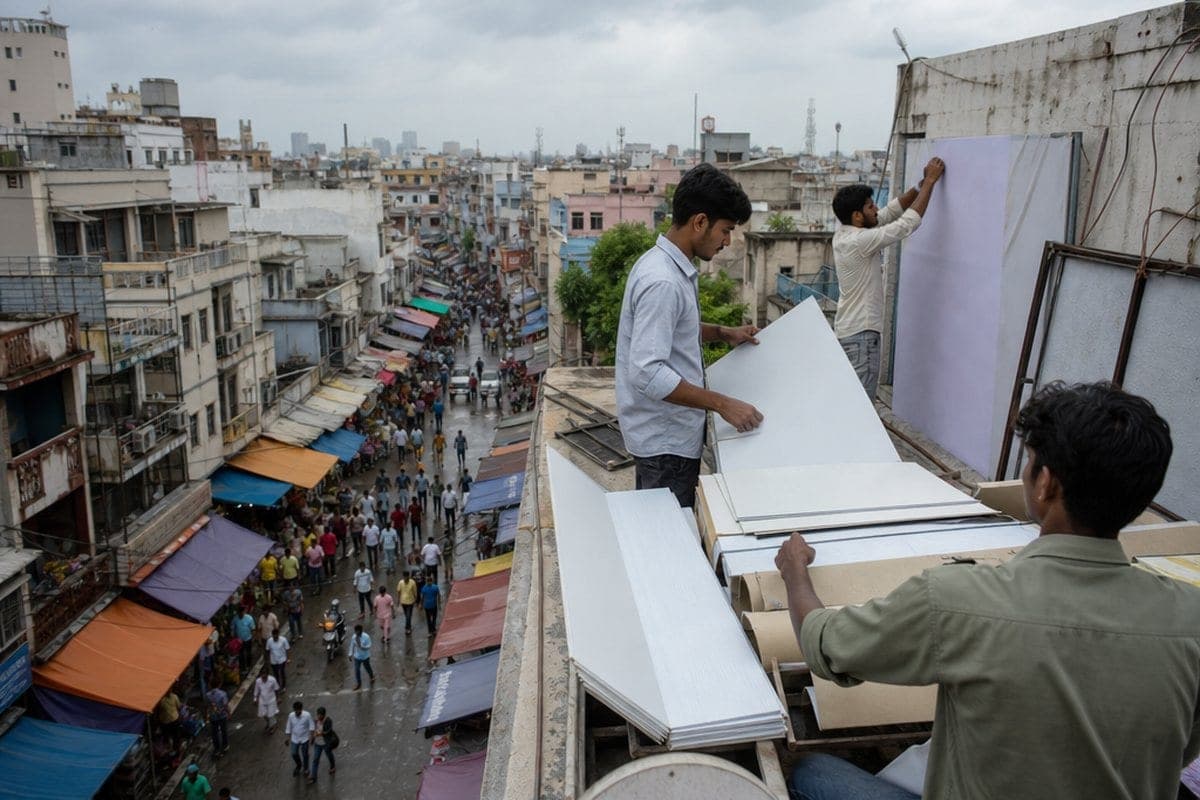
That transition process is known as a campaign changeover — the coordinated replacement of existing in-store marketing materials with new ones. This includes updating POS displays, window graphics, signage, shelf branding, and any other visual elements that communicate the brand’s current message to shoppers.
In this guide, you will learn why campaign changeovers are essential to retail success, what the execution process looks like, common types of changeovers, and best practices for ensuring consistency across every retail touchpoint.
Why Campaign Changeovers Matter for Retail Brands
A brand’s retail environment is often the first and most lasting impression a consumer receives. Outdated signage, faded visuals, or messaging from a previous season can undermine brand credibility and reduce shopper engagement.
Regular campaign changeovers help brands achieve several critical objectives:
- Stay aligned with marketing calendars: Seasonal themes, festivals, and product launches each require tailored in-store communication. Timely changeovers ensure that every store reflects the latest campaign.
- Reinforce brand positioning: Whether introducing a new brand ambassador or shifting to refreshed brand guidelines, changeovers keep the visual identity consistent and current.
- Drive repeat footfall: Shoppers are more likely to return to stores that feel dynamic and up-to-date. A fresh retail environment signals that the brand is active and relevant.
- Maintain competitive presence: In multi-brand retail environments, the brand with the most current and well-executed visuals captures greater shelf attention and mindshare.
Without structured changeover processes, even well-known brands risk appearing stale in the retail environment — especially during high-traffic periods like festive seasons.
The Step-by-Step Process of a Campaign Changeover
A successful campaign changeover requires coordination across multiple teams and stages. Here is a breakdown of the typical execution workflow:
1. Strategic Planning and Creative Alignment
The process begins with defining the campaign objectives: What message does the brand want to convey? Who is the target audience? What visual elements will be used? The marketing team aligns creative direction with brand guidelines, and the changeover scope is mapped across all target locations.
2. Design, Fabrication, and Production
Once the creative is approved, the production phase begins. This includes printing banners, standees, shelf strips, danglers, window graphics, and any other in-store branding materials. Quality control checks at this stage prevent defective materials from reaching stores.
3. Logistics and Distribution
Materials are packaged and dispatched to regional warehouses or directly to store locations. For pan-India rollouts, this step requires careful route planning, vendor coordination, and contingency planning for delays.
4. On-Ground Installation
Trained field teams visit each store to remove the previous campaign’s materials and install the new ones. This includes window displays, counter branding, floor decals, ceiling hangers, and brand visibility elements throughout the store.
5. Compliance Monitoring and Reporting
After installation, teams document the completed work with geo-tagged photographs. These are uploaded to digital dashboards for real-time compliance tracking, allowing the brand to verify that every location meets the campaign standards.
Types of Campaign Changeovers
Different business scenarios call for different types of campaign changeovers. Understanding each type helps brands plan resources and timelines more effectively.
Festive Campaign Changeovers
Timed around major occasions such as Diwali, Christmas, Eid, Navratri, or regional festivals, these changeovers transform store environments with festive themes, special offers, and seasonal decor. Speed and coordination are critical because every brand in the market is competing for the same consumer attention during these windows. Learn more about festive campaign changeover strategies.
Brand Identity Refreshes
When a company updates its logo, colour palette, tagline, or overall brand identity, every retail touchpoint must reflect the change simultaneously. These changeovers are typically larger in scope and require meticulous planning to avoid mixed messaging in stores.
Ambassador and Collaboration Launches
Introducing a new celebrity endorser or brand collaboration calls for a coordinated rollout of updated imagery, standees, and promotional materials. The timing often aligns with a media launch, making on-ground execution deadlines non-negotiable.
Product Launch Campaigns
Rolling out new SKUs or limited-edition products requires dedicated shelf space, updated planograms, and new POS materials. These changeovers focus on creating immediate visibility for the new product within the existing store layout.
Seasonal Theme Transitions
Beyond festivals, brands align their store environments with broader seasonal themes — summer collections, back-to-school promotions, or winter campaigns. These transitions keep the shopping experience relevant to the consumer’s current mindset. For related insights, see festival retail displays.
Best Practices for Flawless Campaign Changeovers
Executing a campaign changeover across multiple locations without compromising on quality or timelines requires discipline and process maturity. Here are the practices that distinguish well-executed changeovers from chaotic ones.
- Start planning early: Begin coordination well before the campaign launch date. Factor in production lead times, shipping logistics, and installation schedules. Rushed changeovers lead to inconsistent execution.
- Maintain a centralized asset tracker: Use a single system to track material production status, dispatch details, and installation progress across all locations. This prevents miscommunication and missed deadlines.
- Standardize installation guidelines: Provide field teams with clear visual guides showing exactly how each material should be placed. This ensures that the brand’s creative vision translates accurately from concept to store floor.
- Build in quality checkpoints: Do not wait until installation is complete to check quality. Build review stages into production, dispatch, and installation to catch issues early.
- Audit post-installation: Use geo-tagged photography, digital compliance dashboards, or retail visibility audits to verify that every store meets the required standards.
- Dispose of old materials responsibly: Plan for the collection and disposal or recycling of previous campaign materials. This is especially important for brands with sustainability commitments. Explore eco-friendly visual merchandising practices for guidance.
Common Challenges in Campaign Changeovers
Even with careful planning, campaign changeovers present challenges that brands must anticipate and address:
- Geographic spread: Coordinating changeovers across hundreds of locations in different cities and states requires robust logistics infrastructure and reliable local teams.
- Tight timelines: Many changeovers must happen within a narrow window, especially for ambassador launches or festival campaigns. Delays at any stage cascade through the entire process.
- Inconsistent execution: Without standardized guidelines and trained personnel, the same campaign can look dramatically different across stores. This dilutes the brand’s visual impact.
- Material damage during transit: Fragile materials like acrylic standees, LED signage, or large-format prints require careful packaging and handling to arrive in usable condition.
- Store-level constraints: Each retail location has unique physical characteristics — ceiling heights, wall surfaces, window dimensions — that can affect how materials are installed.
Working with an experienced visual merchandising and in-shop branding agency helps brands navigate these challenges with established processes and trained field teams.
How Technology Improves Campaign Changeover Execution
Modern campaign changeovers benefit significantly from technology-driven processes:
- Digital compliance dashboards: Real-time visibility into installation progress, with photo evidence from every location. Brands can track completion rates and flag non-compliant stores immediately.
- Geo-tagged photography: Field teams capture time-stamped, location-verified images of completed installations, creating an auditable record of work done.
- Mobile-enabled field apps: Installation teams use mobile applications to receive store-specific instructions, upload completion reports, and communicate issues in real time.
- Automated progress alerts: Stakeholders receive notifications as installations are completed, allowing proactive management of lagging locations.
These tools transform campaign changeovers from manual, opaque processes into transparent, data-driven operations.
Conclusion
Campaign changeovers are fundamental to maintaining a brand’s relevance and visual impact in the retail environment. Whether driven by festive seasons, new product launches, brand identity refreshes, or ambassador announcements, each changeover is an opportunity to strengthen the connection between the brand and the consumer at the point of purchase.
The difference between a successful changeover and a disjointed one lies in planning, coordination, and execution discipline — capabilities that Channelplay brings to every project through its extensive field operations network and technology-enabled processes.
Key Takeaways:
- Campaign changeovers keep your retail presence current, consistent, and aligned with your marketing calendar
- The execution process spans planning, production, logistics, installation, and compliance monitoring
- Different changeover types — festive, branding, ambassador, product, seasonal — require tailored planning and timelines
- Technology tools like digital dashboards and geo-tagged photography significantly improve execution quality
- An experienced agency partner ensures consistency and accountability across all locations
